Staff Helping Our People with Environmental Sustainability (HOPES) is a Climate Action Newsletter series, where I sit down with my West Central Initiative peers to discuss the high-impact climate action work they do across our region. Over a hot cup of coffee, we talk through how their work impacts the health of our pine-and-prairie home.
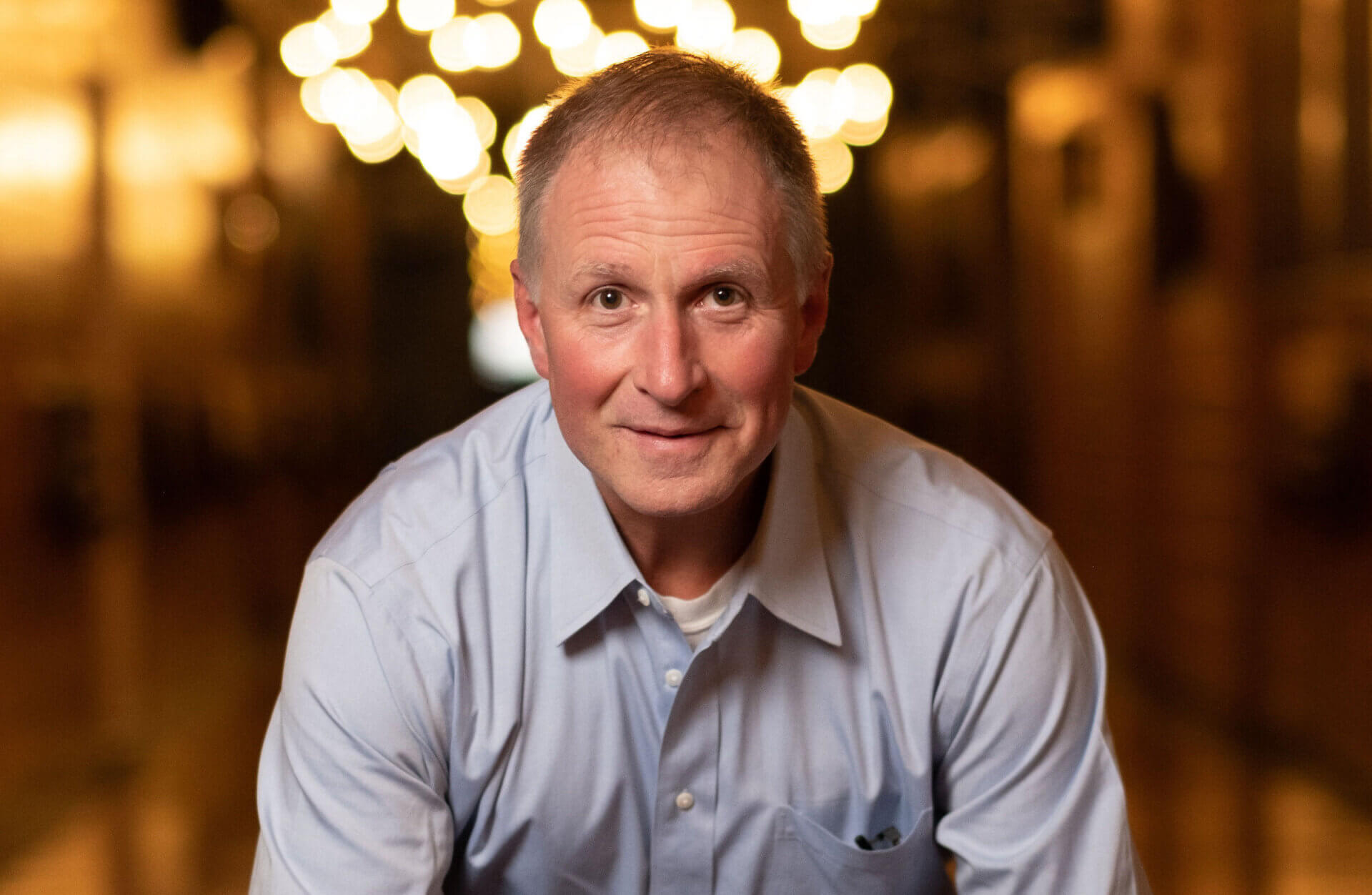
Mark Kaelke, community planner at West Central Initiative, had grown up in Minnesota, and when he moved back and started working for WCI, he wasn’t six months into the job before Anna Wasescha, president, catalyzed work on developing the state’s first regional climate action plan by hiring environmental consultants at the Maplewood-based business paleBLUEdot.
Kaelke has over a decade of experience in natural resource management working for Trout Unlimited in Alaska, where “our organization ran a campaign with community and tribal partners that ended up raising conservation standards for about 1.9 million acres of Tongass National Forest,” he humbly said. Kaelke was a natural fit to serve as the project lead for WCI’s novel effort to finance and develop a regional climate action plan, working closely with Ted Redmond, co-founder of paleBLUEdot.
“The first question we had to answer, being that we represent nine counties and not a single community, was: Could we accomplish this kind of planning effort on a regional scale?” Kaelke said. In July 2023, West Central Initiative and paleBLUEdot answered that question by completing the regional Climate Action Plan with community input – a year-long journey with some ups and downs.
One of the largest barriers to overcome was fighting the perception that small-town communities are largely skeptical of climate change. To gauge if this was really true or not, WCI started with a staff survey, asking folks to anonymously answer how they honestly thought and felt about the topic of climate change. “As a group, we were concerned about climate change, but uncomfortable talking about it,” Kaelke said. “We acknowledged that we needed to get better at talking about it, needed a better understanding of it, so that we could talk about it.”
WCI staff faced the same problem most people in our region also faced, based on Yale’s climate opinion maps: Conversations around climate change are uncomfortable, at least they can be, so we don’t have them often enough to influence how our community choses to respond. But, WCI staff and most people in our region also share important common ground; a silent majority thinks global warming is happening, roughly 66.5 percent of people across our nine counties.
“I think we found that people who make their living, you know, off the environment, were having a hard time denying that climate change is happening,” Kaelke said, referencing a study by paleBLUEdot that found 53.2 percent of land in our region is in agricultural use. Also contributing to less skepticism about climate change, Kaelke said, “We saw more and more extreme weather events. Early in the planning process we had thunderstorms and tornadoes in December in Minnesota, and I think those kind of things were really eye openers for people.”
Now that the plan is complete, the next barrier is figuring out how it could be implemented. “We knew all along that implementing this plan would be difficult because of our broad geographic area. I mean 82 communities, 230,000 people. I acknowledge now that there’s not going to be one-size-fits-all solutions,” Kaelke said, “But I think that’s the beauty of the plan – it provides a variety of different actions that individuals, communities, or even counties might take.”
“It’s almost a menu that people can look at and say this fits for our community or this doesn’t. So, my hope is that people give the plan a serious review and scrutinize what would work for them. In the end, though, just getting started is what’s really important.”
About the Author
Benjamin Velani is the Lead for America Climate Fellow and serving AmeriCorps member at West Central Initiative. He recently graduated Summa Cum Laude from Cornell University, majoring in Religious Studies and Government and writing an undergraduate thesis on the human and ecological effects of light pollution and dark night skies. He was formerly the Dining Editor at The Cornell Daily Sun, and he’s now taking the lead on West Central Initiative’s Climate Action Newsletter.