
A talk with Corey Kratcha about his company focused on bio-composite materials. Corey and his team show a different way of waste management.

A Greener Alternative for Waste Management
For a good portion of Minnesotans, the morning starts with a cup of coffee. After we brew the coffee, a problem arises: what to do with the used grounds? Throw them out? Put them in the compost pile? How do we deal with the waste? Corey Kratcha’s answer: turn it into a coffee cup.
Corey is the co-founder and CEO of c2renew, a Fargo-based company that gets creative with organic waste and waste management. Focused on transforming agricultural and everyday waste into different products, c2renew offers a greener alternative to conventional materials.
What is a Bio-Composite?
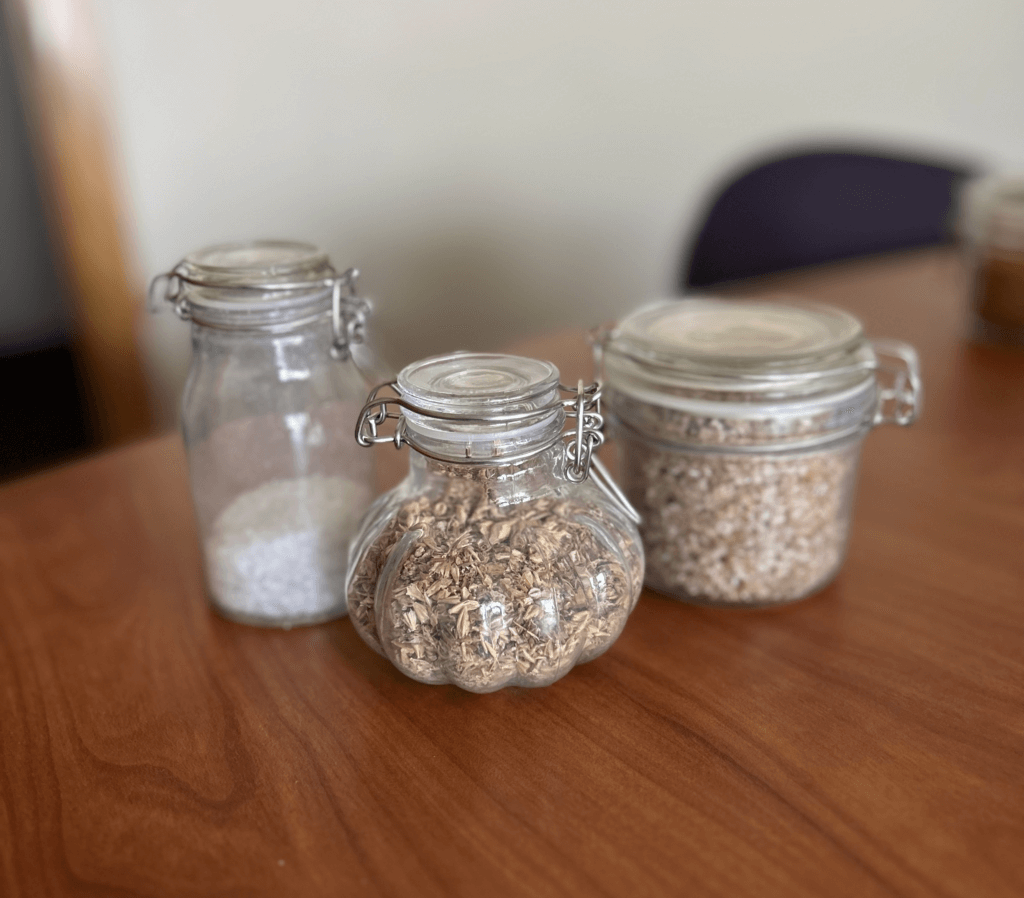
A composite is a combination of two or more materials, usually resin and a type of fiber—think of fiber glass or carbon fiber. C2renew develops bio-composite materials using low-cost biomass. Biomass is organic matter used as a filler in composites. C2renew uses different types of biomass, including flax fiber, hemp fiber, distiller grains, soybean hull, wood flour, oat hull, coffee chaff, sugar beet pulp, and even upcycled garbage.
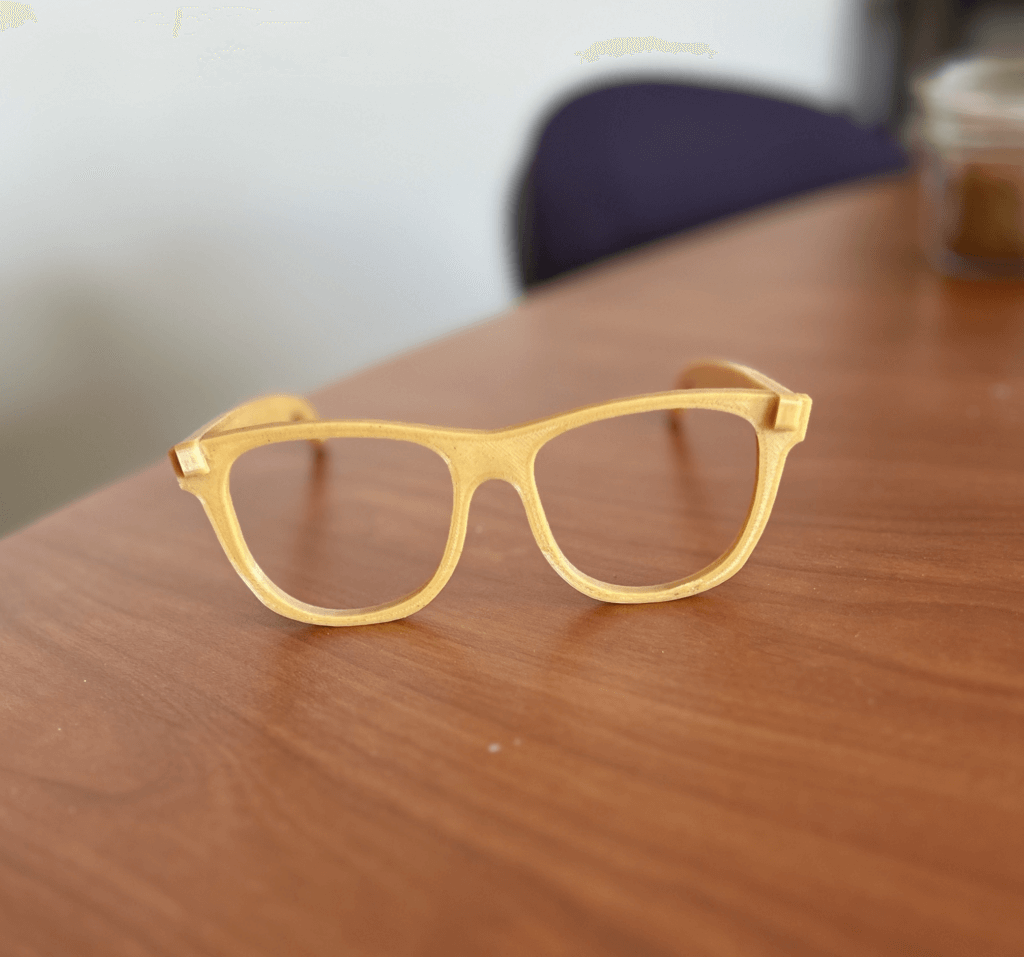
This biomass then goes through a compounding or hybridization process. For example, c2renew worked on a pair of glasses made from beer grains. Resin and the beer grains combine to create pellets. They then send the pellet to a filament manufacturer, and the filament is 3D printed into glasses.
“It’s a really neat lineage to see these separate items,” Corey said. “They can be combined into this [pellet], and then converted into something that folks can wear on their faces.”
Bio-Composites vs Composites
Bio-composites are finding footholds in manufacturing. Take the automotive industry. As engineers look for weight savings and part stability, they’re turning to bio-composites. Corey explained that bio-composites are often lighter than their more conventional counterparts and are less likely to warp or deform. This makes bio-composites more attractive to manufacturers looking for new suppliers.
Additionally, bio-composites are also greener. Using rapidly renewing resources, like agricultural waste, is more sustainable than using more conventional materials. Those materials are nonbiodegradable, and their recycling is expensive, while bio-composite materials biodegrade faster.
Getting Creative with Waste
Corey worked with West Central Initiative on the Climate Action plan, specifically in the waste management sector. “We are a composite manufacturer, but we use waste products. And so, we’re trying to figure out how to be better stewards of that [waste],” said Corey. He hopes that c2renew’s work encourages a larger discussion around sustainability in the region.
“It takes that one thing, that one ripple to create a wave, you know,” Corey said. “That’s how we need to look at some of this stuff: we just create that small little something that creates longer lasting things.”
Agriculture is a foundational asset to this region, so by focusing on agricultural waste products, c2renew contributes to a more sustainable region by finding a greener alternative. “A beer stein or a coffee cup—that translates—people can touch it, feel it, and understand it. Really get a feel for it,” explained Corey. “Okay, so this was coffee, and now I can drink coffee out of it. I mean, that’s where I think that aha moment happens.”
About the Author

Brogan Ludwig is the ACC AmeriCorps member for West Central Initiative. His year of service includes working on the Climate Action Newsletter and Climate Action outreach. Brogan graduated from Concordia College in May. He lives outside his hometown, Hawley.