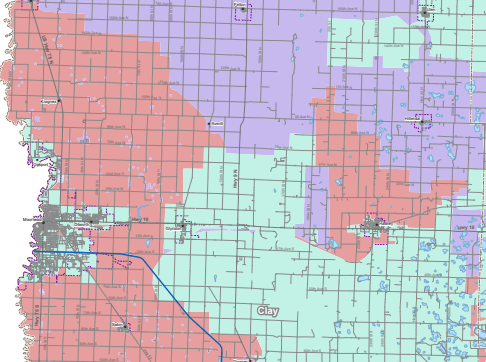
A map of broadband service in Clay County from Minnesota’s Department of Broadband Development. Digital inclusion connects people, engages communities, allows for remote work/school, and spreads vital information. While it may not immediately register as a benefit, broadband expansion can improve sustainability for a household or business.
Digital Inclusion
Whether it’s remote work or school, online shopping, streaming entertainment, or telehealth appointments, reliable internet access has become essential for all Americans. Broadband (high-speed internet) is available in areas of the region, but underserved and unserved communities remain. Americans with higher incomes have faster internet access than those with lower incomes, and urban residents are more connected than rural residents, according to a survey from the Pew Research Center conducted in 2021.
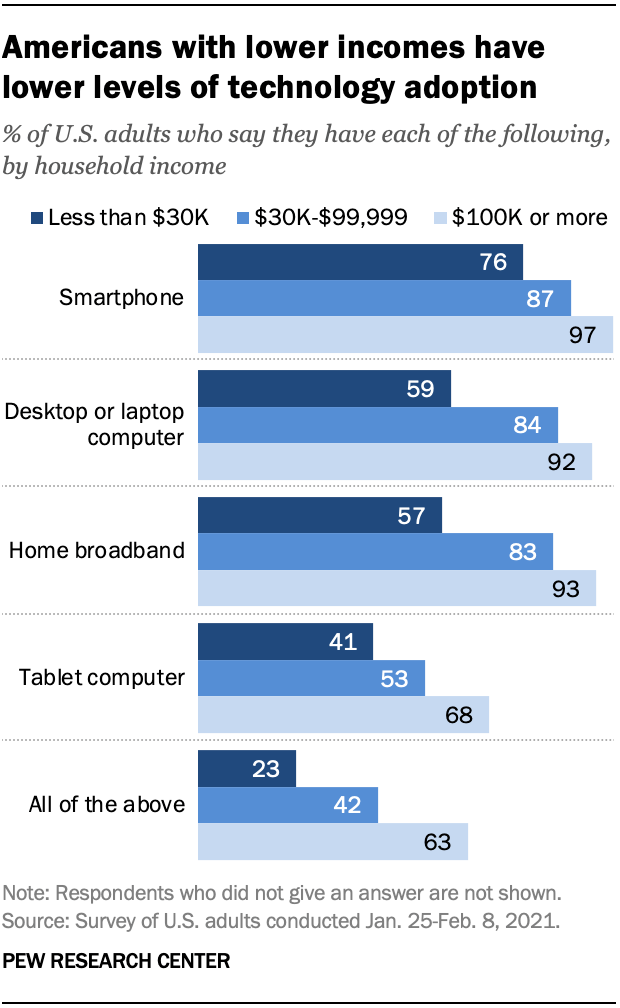
Digital inclusion refers to the expansion of broadband throughout the world, especially for those who do not already have it. It also refers to equal access to internet-enabled devices, digital literacy training, technical support, and exclusive online content. Recognized by the National Digital Inclusion Alliance and the Benton Institute for Broadband & Society, Digital Inclusion Week was October 2-6.
Broadband: A Kind of Climate Action
It’s clear that digital inclusion helps people connect to one another, but it may be less clear how digital inclusion combats climate change. Broadband helps communities create more energy-efficient homes. According to a study from the Environmental and Energy Study Institute, rural households spend about 40% more of their annual income on energy than urban families. This is due to older house ages, energy-inefficient heating systems, and lack of energy-saving programs in rural areas.
One method to alleviate some of the energy costs is the use of smart devices, like smart thermostats, electric water heaters, and smart plugs. The issue is that these smart devices need to be connected to the internet to work properly, hence expanding broadband will help save on energy costs. According to the Benton Institute, deployment of universal broadband along with energy efficiency technologies will lower residential electricity bills by an estimated one-fifth.

Residential aren’t the only buildings that can benefit from broadband expansion—schools, hospitals, and other public institutions could switch to smart devices, reducing their carbon emissions. But that switch can’t happen without secure and reliable internet.
Another sector that broadband expansion impacts is agriculture. Precision farming is the use of modern technologies to improve decision-making, thus increasing efficiency, yield, and profitability. Broadband access is the entry level for farmers to start using precision agriculture.
Precision forestry, like precision farming, is the use of digital technologies to improve forest management results. Drones, soil sensors, and unmanned aerial devices are examples of technologies that help streamline climate-friendly forest practices. They all also require broadband connectivity.
The Power of Broadband Expansion
Broadband makes any kind of communication easier and faster. To even read this blog post, you must’ve used the internet. Remember that it’s not a given that everyone has access to high-speed broadband. Minnesota’s Office of Broadband Development has created a guide to help decide if your community needs to improve its broadband availability. Here is a resource where you can check your county’s map of unserved, underserved, and served areas. Digitial inclusion not only improves lives and allows everyone to function in community, but also works as preventative climate action, connecting everyone in a community.
About the Author

Brogan Ludwig is the American Connection Corps AmeriCorps member with West Central Initiative. His year of service includes working on the Climate Action Newsletter and Climate Action Plan outreach. Brogan graduated from Concordia College in May. He lives outside his hometown, Hawley.