Over the last decade, I’ve thought in-depth about what it means for a place to be welcoming. For example, I feel more comfortable visiting an unfamiliar library than walking into the neighboring town café.
Traditionally, when I feel welcome somewhere, it’s an indication that I’m in a space where mine is the dominant culture. I know what to expect when I’m in that place, and I know how I’ll be expected to behave. We subconsciously teach these elements of culture and cultural expectations to our children. My daughter knows when we visit our library that she should speak quietly, and she finds the children’s section without having to ask which part of the library it is. I know by the way chairs are arranged which places are for anyone to sit in and which are designated for specific activities.
One day, as I drove her to school, my daughter asked me why I waved at people I didn’t know. I hadn’t really given it much thought before, but I answered her, “Because I want to live in a friendly place, and that feels friendly to me.”
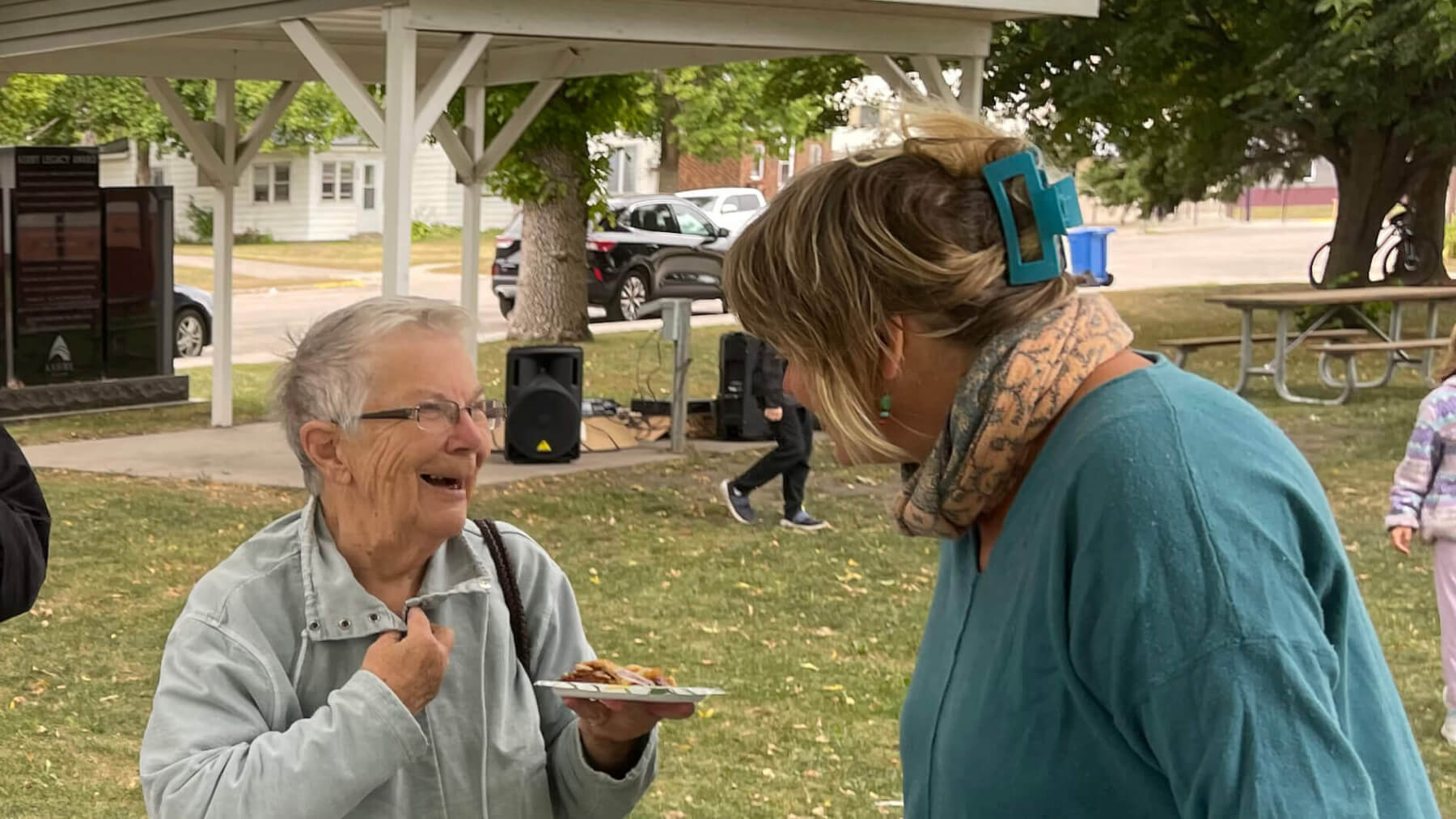
So, when I heard that my community of Ashby would be hosting a Welcoming Week event, I was excited. Our event was scheduled in the town park, and the flyer (in English and Spanish) welcomed people to share food from their culture.
I pondered what I consider to be my culture and the expectations that might be assumed at a public space in my town. My family recipes are a mix of Norwegian, German, and 1950s Betty Crocker. When I asked family and neighbors if they would be participating, I heard comments that indicated they also came from a similar background. Some also expressed discomfort because they didn’t feel especially qualified to represent any culture. They didn’t feel a familial connection to a type of food, music, or art, and identified more with popular culture than their heritage. When I shared that I would be preparing different Jell-O salads, I was met with wistful smiles, chuckles, and lots of nods.
The day of the event, our neighbors set up tables at the park to create a space for anyone to stop by and try food at each table. Soon, several families gathered and those of us with food to share offered plates and tastes. As per usual, I felt anxiety about “mingling,” a social convention that makes me uncomfortable. But I wanted to be welcoming, so I did my best, and put myself out there.
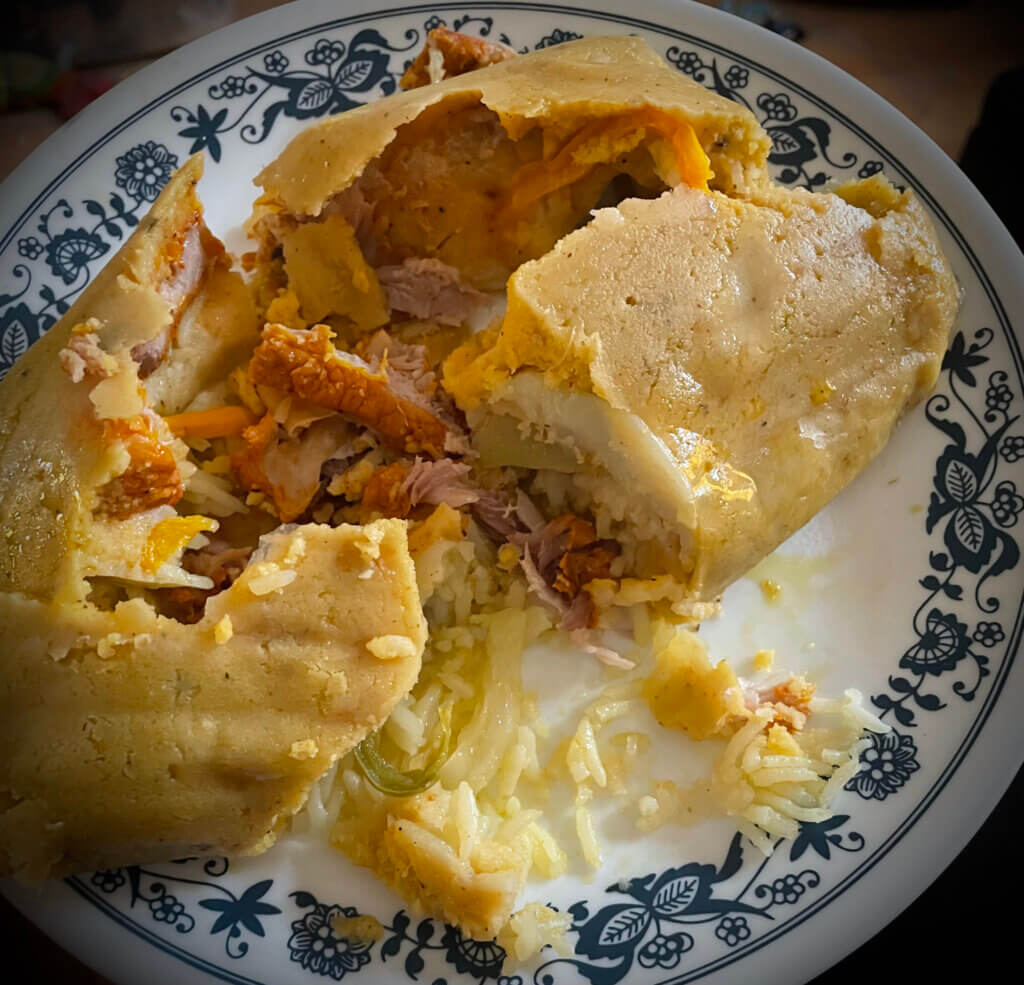
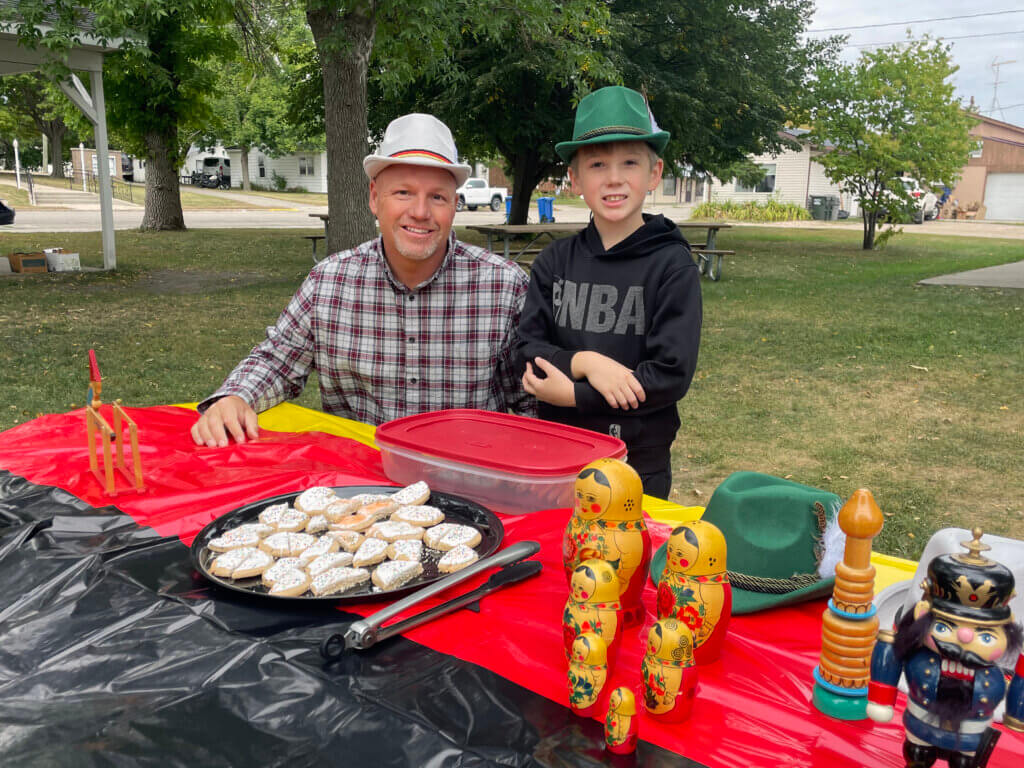
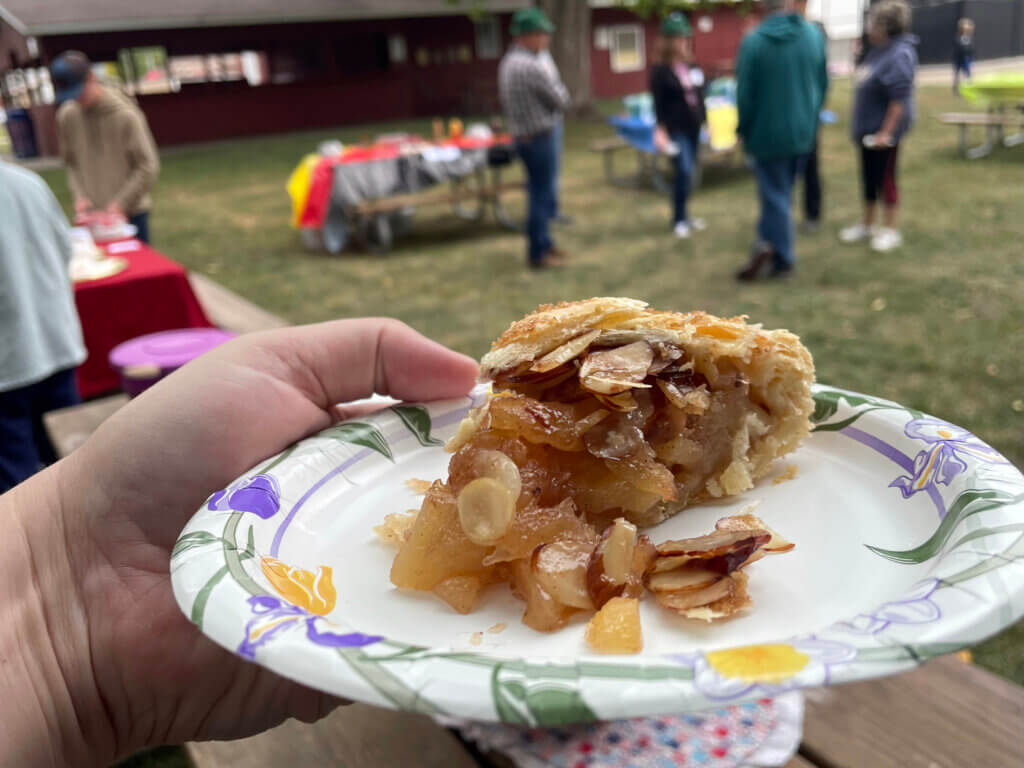
I said hello and introduced myself around the crowd, in English and in Spanish. We didn’t all speak the same language, but we used facial expressions, gestures, and translator apps to convey our intentions and values. We talked about what we had in common. We shared photos of our kids, and we talked about places we call and have called home. Neighbors I knew and some I had just met shared their favorite family recipes. We had German cookies and an apple torte. There was lefse, which sparked a conversation about family traditions around lefse toppings. We had what might be the world’s best Nicaraguan tamales. My new Nicaraguan neighbor shared how the grocery store special-ordered masa for the tamales but couldn’t get the traditional banana leaves to cook them in, but she made do.
I proudly proclaimed, “Me encanta tamales,” but couldn’t quite figure out how to say, “You don’t have to eat more gelatin salad if you don’t like it,” in Spanish. It turns out, I wasn’t the only one a little anxious about meeting new people. One community member was so nervous that she took a few trips around the block before she parked the car and joined us.
However, once we were all together, we learned so much about our neighbors, our cultures, and ourselves. We did the most important thing and took that first step to creating a more connected community. Some of us signed up to be part of the Ashby Cultural Committee, with hopes of making next year’s event even better. I already feel more connected to my neighbors than I did before the event, and I hope that others who attended feel that way too.
About the Author
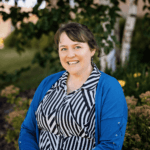
Jill Amundson has served west central Minnesota communities since 2003, starting at the Herman Review, followed by twelve years of nonprofit assistance for the historically disadvantaged. She now serves as the Impact Evaluator at West Central Initiative, assisting the organization and our partners in planning, problem-solving, and sharing successes in community development initiatives. Jill lives in Ashby with her husband, Pete raising two Ashby Arrows (class of 2016 and 2032) and fishing as often as possible.