“The Dust Bowl—Perhaps the most devastating weather-driven event in American history, the drought of the 1920s and 1930s significantly impacted Minnesota’s economic, social, and natural landscapes. Abnormally dry and hot growing season weather throughout the better part of two decades turned Minnesota farm fields to dust and small lakes into muddy ponds. The parched soil was easily taken up by strong winds, often turning day into night. The drought peaked with the heat of the summer of 1936, setting many high temperature records that still stand today.”- State Climatology Office – DNR Division of Ecological and Water Resources
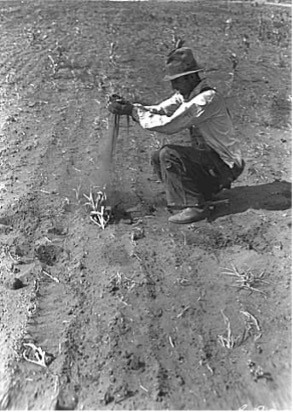
Could it happen again? History tells us three factors—drought, high temperatures, and poor soil management practices—combined to create the Dust Bowl. Surely modern science and technology have advanced to such a degree that we now know better, but are we really doing better?
Continuing a trend evident since the industrial revolution, climate models predict both temperatures and precipitation in Minnesota will rise between now and 2050. We will have warmer winters and hotter summers, with more days reaching the extreme level of 95 degrees or higher.
The precipitation picture is more complicated. Precipitation will arrive via more intense storms in spring or early summer. This coincides with the time of year the moisture content of soils is already at its highest due to snowmelt, meaning extreme precipitation will be less apt to be absorbed into the ground and aquifers and leading to an increase in runoff and flooding. Because we’ve straightened and hardened the banks of most of our waterways and tiled many of our fields, this flooding will have a greater impact. Floods can be devastating, but our degraded soil stands to be an even more pervasive problem.
Studies using satellite imagery to measure soil erosion suggest the Midwest has lost roughly one-third of its topsoil. The loss is even greater on sloped fields plowed using conventional practices, some for more than a hundred years, which makes them more vulnerable to erosive forces. Exposed subsurface soils in conventionally plowed fields contain less organic matter and nutrients and retain less water, which exacerbates both erosion and runoff, particularly during heavy rain events.
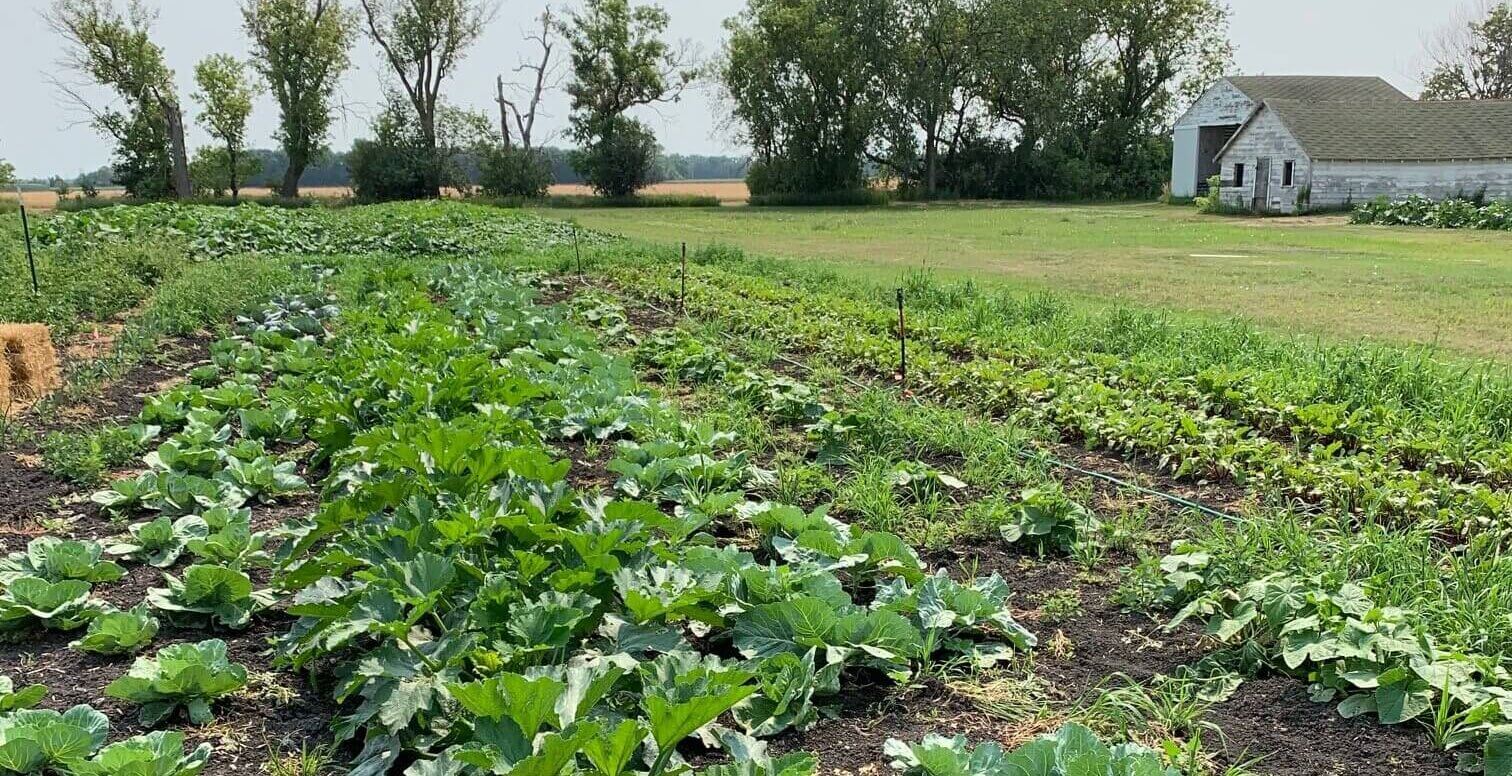
Conversely, in areas where no- or low-till practices and cover crops are employed, soils contain more organic matter that allows them to retain more water and nutrients, reducing fertilizer needs. These high-quality soils slow runoff, allowing moisture to seep into and recharge subsurface aquifers and cover crops and help shield production crops from heat stress.
Along with predictions for more precipitation, climatologists believe Minnesota will experience longer periods of drought, and hotter days likely will prevail throughout the summer. Drought increases evapotranspiration, a part of the water cycle in which moisture is transferred back into the atmosphere through evaporation on the ground and through transpiration, which is how plants breathe. Under current climate conditions and precipitation levels, soil in our region loses a net of 10 inches of moisture annually through evapotranspiration, which is considered normal.
Now, let’s stir those climate predictions into this stew. Our increased rains will fall in early-season storms and, due to poor soil and tiling, will run off to adjacent surface waterways carrying topsoil with them and will not help recharge subsurface aquifers. Less rain in the summer months will create drier conditions, and evapotranspiration rates will increase. Crop yields are apt to tick downward, leaving farmers to face the need for both increased fertilizer and irrigation use.
Skyrocketing costs of fertilizer aside, under conventional deep plowing methods, more fertilizer applied to fields generally means more will end up in our lakes and streams. This increases aquatic plant growth, reduces oxygen levels, and negatively impacts fish and lake users.
Estimates from irrigation-use reports suggest that in 2018, west central Minnesota used over 28 billion gallons of water, most of it from subsurface aquifers, solely to irrigate crops and fortify livestock. With less recharge due to the combination of lower snowpack, the reduced infiltration of runoff, and increasing demand, it seems likely aquifer levels in our region will decline, and increased irrigation use won’t be sustainable.
So, if irrigating and fertilizing our way out of the impacts of climate change won’t work, then cover crops and no- or low-till plowing become more attractive options. Both practices mean fewer passes over the field and lower fuel costs, less fertilizer use, and associated costs, and result in better soil. Both take time to implement but will help agricultural producers reduce input costs, improve soil, and avoid catastrophic events like another Dust Bowl.
For further reading:
- A summary of the Minnesota Board of Water and Soil Resources Guide to protecting groundwater and drinking water on agricultural lands
- Carbon storage in soil
- Aging Farmers
About the Author

Mark Kaelke is a Community Planner for West Central Initiative. His work focuses on climate and natural resource issues. Mark’s background is in conservation and outdoor recreation.