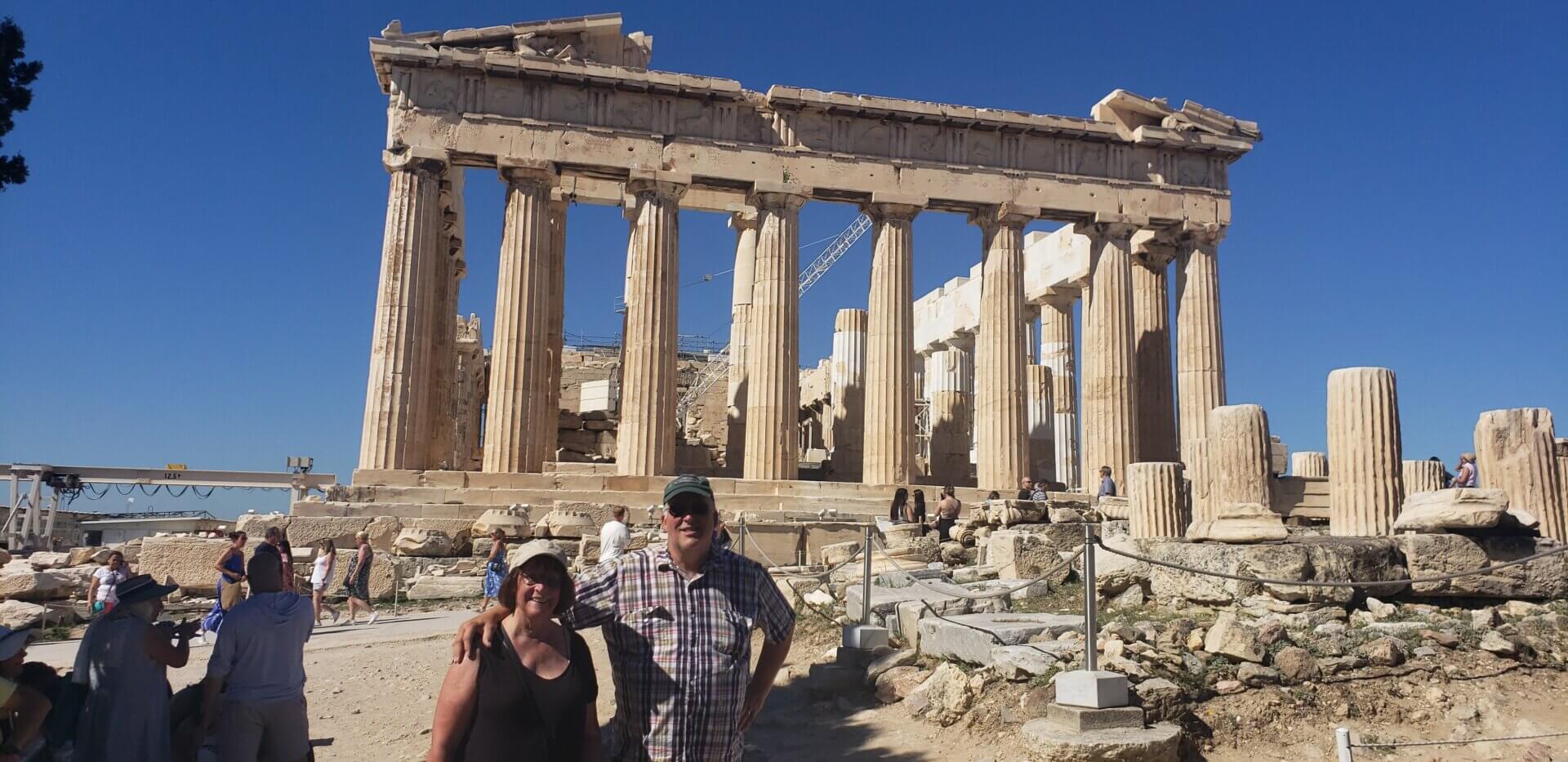
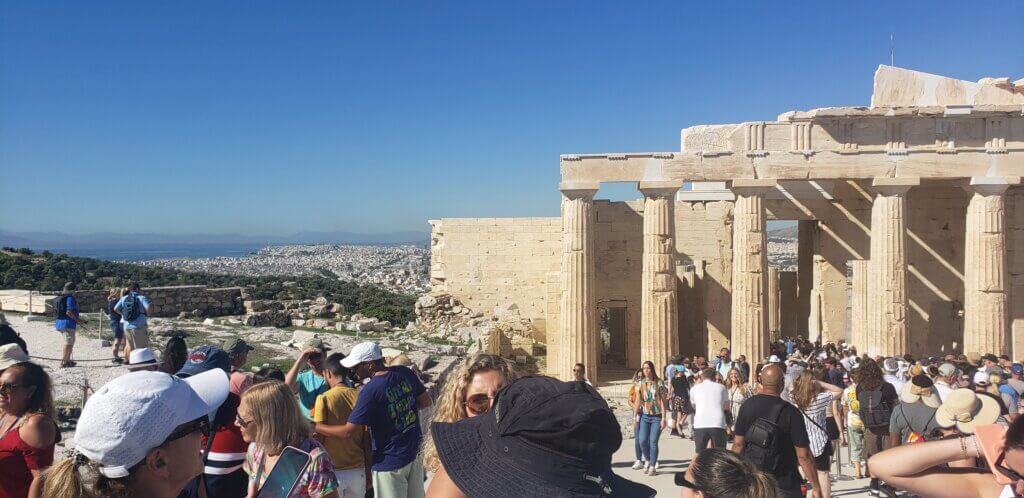
My wife Kitt and I took a pandemic-paused trip to Greece in early October. We started and finished on the mainland in Athens, sandwiched around several nights on the islands of Crete, Santorini, and Mykonos.
The rich history of the region is fascinating, with ancient buildings lining tiny streets holding crowds of tourists. And, my gosh, the food! Did you know that there isn’t leaf lettuce of any kind in authentic Greek salads? Just tomatoes, cucumbers, onions, green peppers, feta cheese, olive oil, red wine vinegar, and some seasoning.
I could go on about food and history, but what really gave me pause were some challenges facing Greece that mirror our own. Locals shared some very familiar stories that we’ve heard in our work at West Central Initiative. And our strategic plan brings in a global perspective while focusing on local and regional priorities.
So allow me to share some of that global perspective from my Greek vacation.
Climate Action
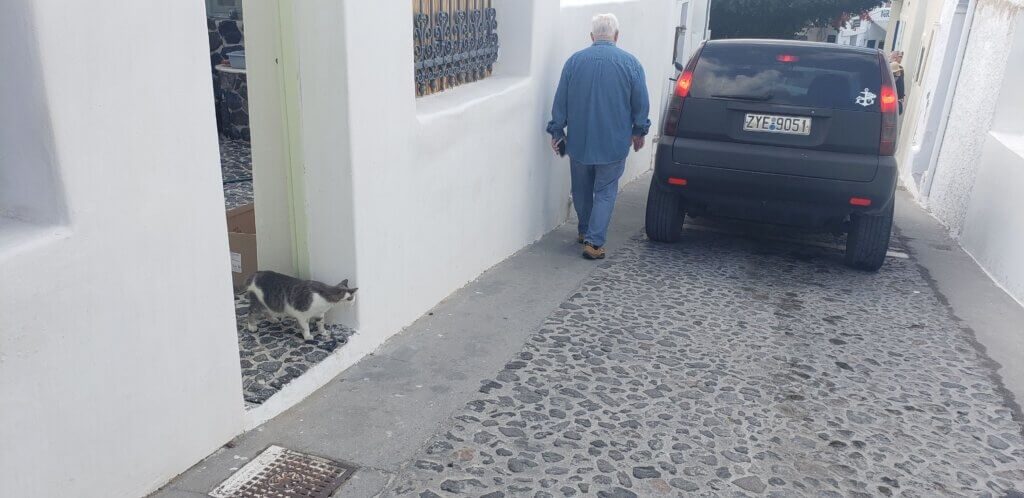
We heard changing climate stories throughout our journey. Luckily, we missed torrential rain in Crete by a week, a weather event that triggered life-threatening flash floods. Videos captured cars floating toward the sea down the narrow streets, places we walked days before.
Having seen the landscape, one could understand how those “street funnels” turn into raging riverways. A local newspaper proclaims that flash floods have recently become one of Greece’s most common natural disasters.
Our Santorini guide talked about snow in Greece. Last winter, snow fell on many islands. On the island of Santorini, our guide told of having snow on the island three of the past five years, something her 90-year-old grandmother had never experienced before in her life. Imagine someone’s first experience driving in snow, especially with the vertical terrain. Need I say more? Our guide also talked about more frequent temperature extremes, one that could affect the island’s production of fine wines. She is concerned that “once-in-a-lifetime” events are becoming once-in-a-while.
On a brighter note, Greece has sunshine 60 percent of the year. We saw solar panels on nearly every Greek rooftop, along with a small tank to hold water heated by the sun. In fact, while walking along one street, we passed two retail stores that were selling solar products.
Who wants to open the first solar retail store in our region?
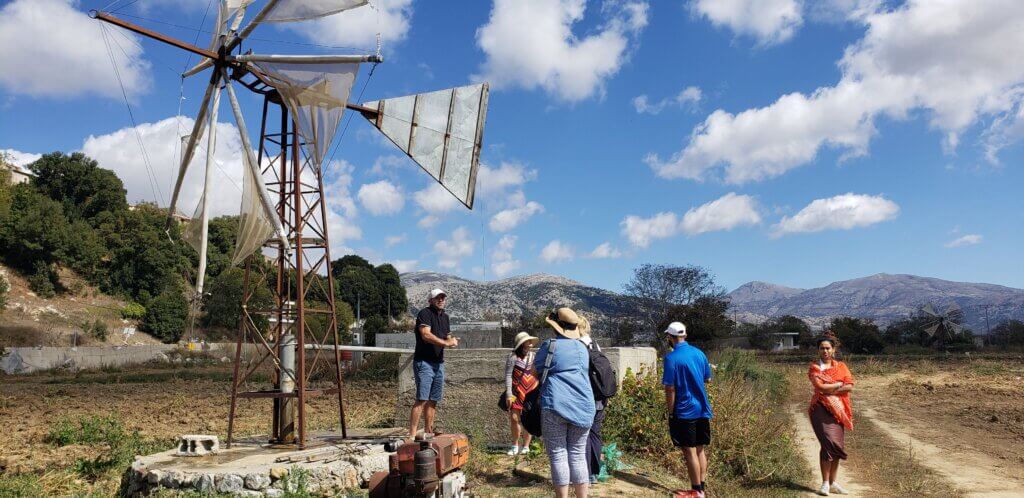
Also, windmills are making a comeback in Crete. We saw the windmills of the Lasithi Plateau – or what remained of them. Back in the 1960s, almost all the windmills in this rich, flat farmland were replaced by new diesel engines to pump irrigation water from deep wells. Today, with the cost of fuel and engine maintenance, using wind power is a no-brainer.
Housing Issues
Tourism accounts for about 25 percent of Greece’s GDP (gross domestic product). The summer tourist industry, a favorite of nearby European countries, also employs thousands, many of whom leave the mainland to work on one of the islands. Every summer day, thousands of tourists depart cruise ships to explore Greek Islands. In fact, we chose to visit in October to miss the summer crowds.
I think many others had the same idea.
In Mykonos, our guide talked about the challenge of housing. Rental rates have more than doubled in the last couple of years. She told of houses that were purchased and turned into vacation rentals, taking away some housing capacity for seasonal workers. Those short-term rentals also impact the traditional tourism economy. Our guide in Crete said hotels have to compete with short-term rentals, which hold the advantage of not paying lodging taxes.
A study published in November of 2022, states, “Greece’s Short-term Rental Market Booming, But Costing State Millions of Euros.” The people there – the workers – understand what is happening.
City councils in our region and beyond are looking at the same issues. Communities want families to move to town, but finding the right home can be challenging. Housing inventory turned into seasonal rentals may impact the whole community.
Shrinking Communities
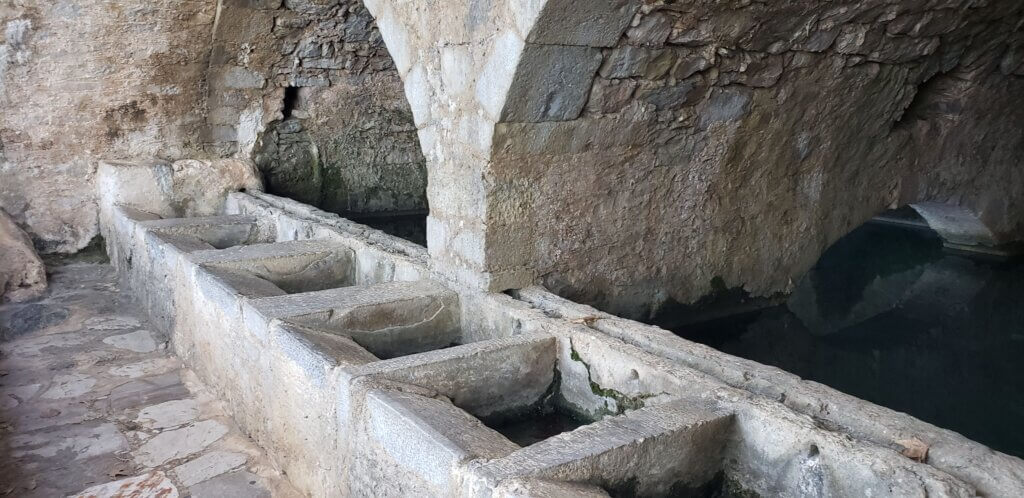
Our Crete guide, Ed, jumps on the stone fence and reaches for fresh grapes for sampling. We are on an old hillside in the village of Krasi on the island of Crete. Our walking tour shows the place where villagers washed their clothes using stones by an underground cistern.
As we walk through the tiny town, Ed notes that many of the houses are empty. “No one wants to live here,” he says. “There are no jobs, no industry. We see this happening in many of our small towns.”
If you think about it, there are towns or islands in Greece where housing is scarce and other places that want to attract residents. Sound familiar?
How about remote work, tapping into the web? Maybe, but there are challenges due to aging or nonexistent infrastructure and dicey reliability. So Ed fears some of these villages will be nothing more than ghost towns in the future.
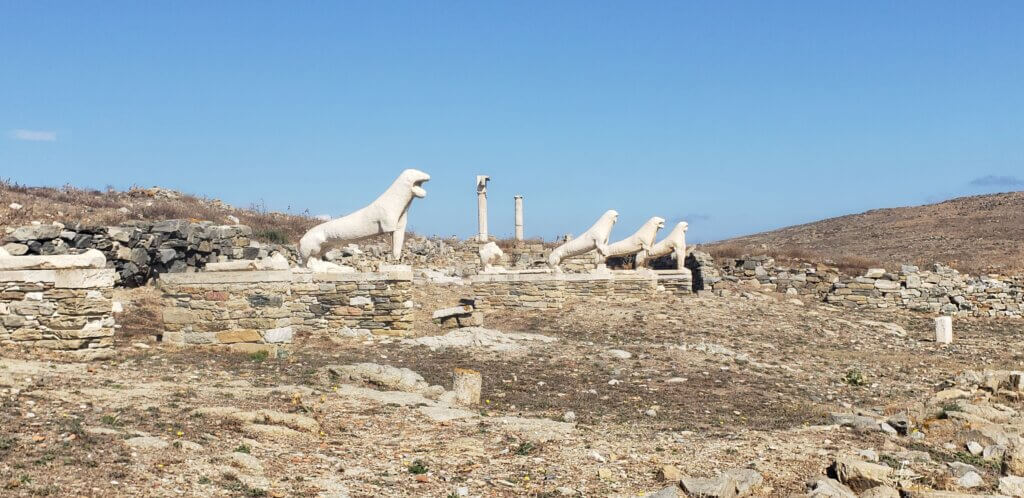
It’s happened before. Our tour included the village of Delos, a small island near Mykonos, which once held 30,000 people. Today, it is an archaeological site from a lost civilization.
Local Foods
Ed drives us down to the Lasithi Plateau where we learn the whole valley was once a lake. Thousands of years ago, it was drained by humans for whatever reason and now they have to pump for water.
We visit a farm field. One of Ed’s friends is a farmer who grows peppers, and getting out of our car, we see peppers everywhere. We learn that this amazing green and red bounty before our eyes will be plowed under one day soon. They won’t be picked; they won’t be harvested. There isn’t a market for them. They won’t be eaten except for a few bites by tourists each day. “People are starving,” Ed says, “but we are letting crops rot and plowing them under. It doesn’t make sense.”
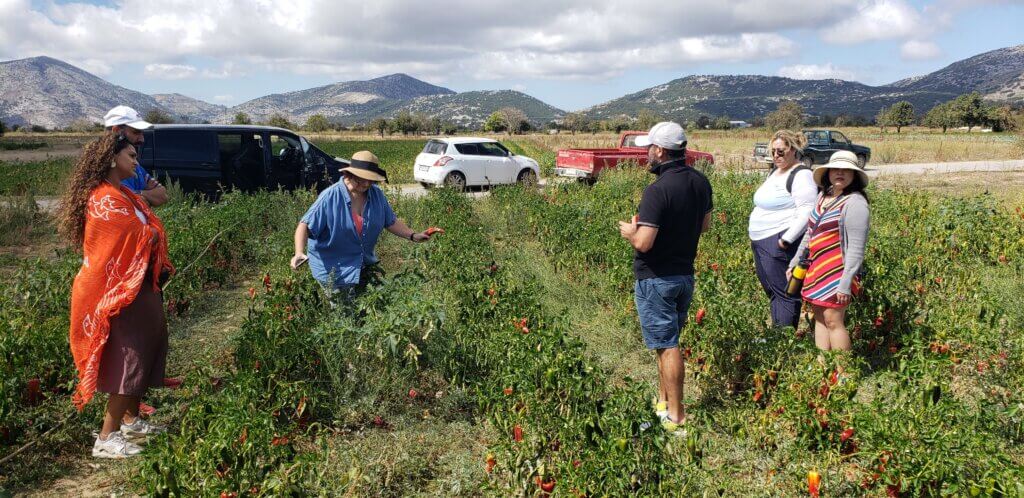
A lack of workers for harvest and planting is part of the issue, Ed said. But also, markets are too far away, and the costs of transportation would be too much. Many factors are at play and solutions are complicated, which could also be the case for some food growers in west central Minnesota.
At least they don’t have to deal with cold weather. Not yet, anyway.
As you can see, some of our local and regional challenges are shared by communities in Greece and, indeed, communities around the world. Working together thousands of miles apart isn’t only a good idea; it may be the only way we can overcome our shared challenges.