I have never been a marathon runner or even a wanna-be long-distance runner. I prefer to sprint; I like to see the finish line – to know where I’m going and how to get there. Yet, I have found that sometimes we need to slow down and find a pace, and the right solution will come naturally.
I first got to know Steve Guttormson, PioneerCare Marketing and Foundation Director, during a community-based leadership program in 2017. My working group was outlining a plan to expand child care, and Steve asked to join us. Steve didn’t have experience with child care but saw many parallels between long-term care for the elderly at PioneerCare and the child care industry—care for a vulnerable population, higher liability, lower wages, and high employee turnover.
Through the years, we continued to discuss issues surrounding access to child care and only made small gains. Steve, along with the other PioneerCare administrators, knew that child care was vital to PioneerCare’s long-term viability but struggled to find the right solution. We toured different child care facilities and sought several types of care but always encountered barriers.
Last winter, I received a call from Steve with a new idea. PioneerCare had been affected by COVID-19. Hiring and retaining staff had become a difficult and frustrating task. To alleviate staffing woes, Steve and PioneerCare’s Human Resources Director Patti Fandrich had the idea of providing on-site child care for staff. A small group of PioneerCare staff and community stakeholders sketched ideas to use a recently vacated space that had closed due to staff shortages for child care. Ideas started coming together, and optimism rose. I referred Steve and Patti to First Children’s Finance to run numbers and create a business plan. We had entered the race and were finding our pace.
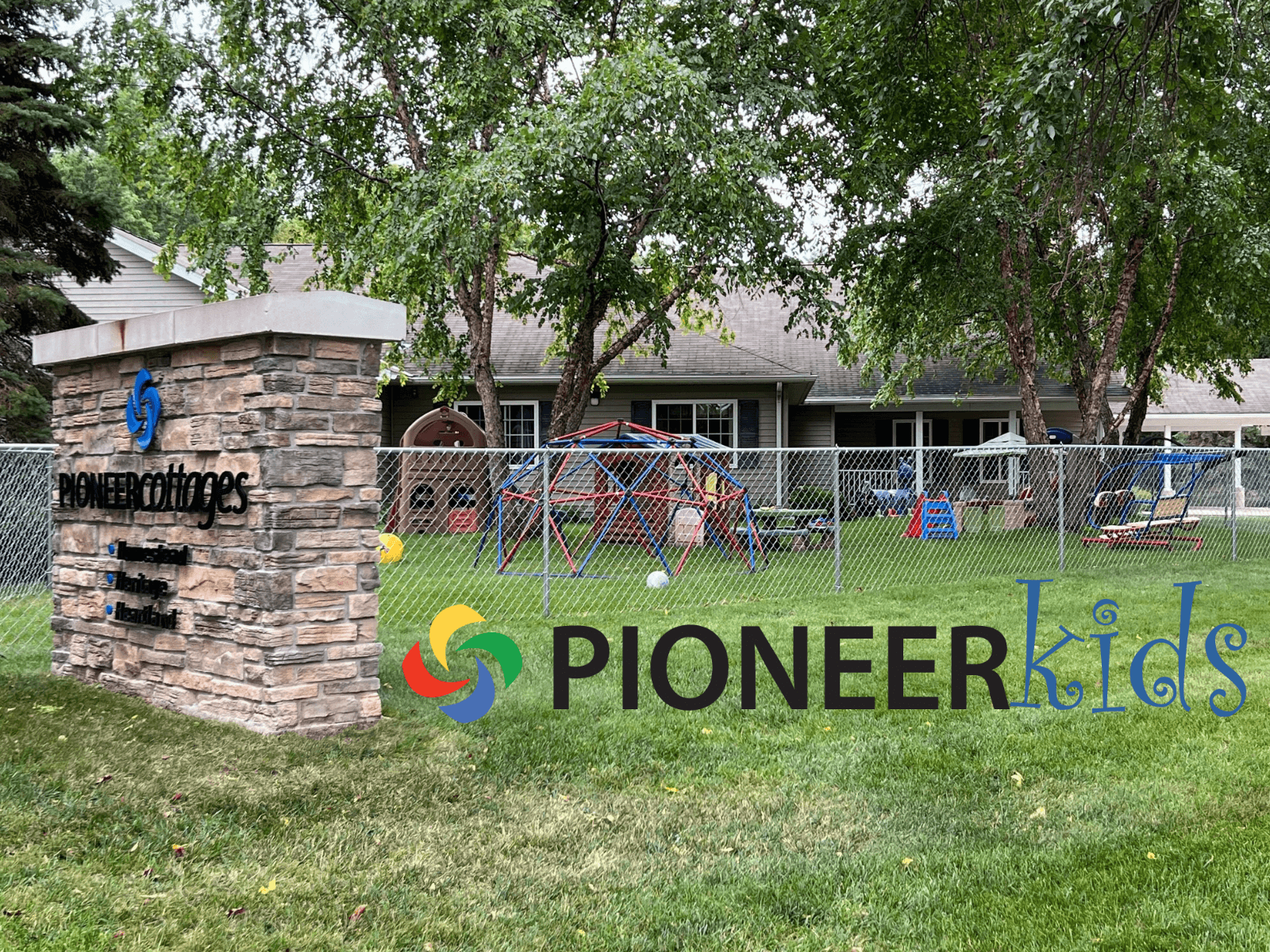
After years of conversations, deterred plans, and shelved ideas, PioneerKids was born. It is a Rule-2 specialty licensed child care in a non-residential space—in other words, family-based child care, but not located in their home. This licensing allows PioneerCare to offer care without a major capital investment.
What makes PioneerKids unique
- PioneerCare hired a licensed Child Care Coordinator, who is the primary caregiver and has an assistant, which allows PioneerKids to care for more children and have longer hours. Child care staff will receive ongoing pay and benefits—an important need within the child care system.
- Caregivers are considered PioneerCare staff, and PioneerCare sets the hours of care. PioneerKids opens early in the morning to care for children whose parents work in nursing care, dietary, or other positions with early morning shifts.
- West Central Initiative provided a $27,700 Child Care Education capacity grant for the staff to equip the facility with children’s furniture and section the yard for the safety of the children and the care clients. Fundraising will continue to finance operations.
- PioneerCare will build its child care capacity slowly and steadily. Using the Rule-2 specialty license and the available space, PioneerKids can grow to support up to four providers, with mixed age groups, under one roof. A business consultant from First Children’s Finance provided plans for when and how PioneerKids should expand.
- The Child Care Coordinator is working with Child Care Aware to set up the facility and add PioneerKids to Parent Aware, the state’s Quality and Rating Information System. This helps program for quality care and education and helps lower-income parents access Early Learning Scholarships.
In the world of instant gratification, access to child care can be a long, frustrating process. There are no quick fixes. It may take years to cross the finish line, but in the end, with determination and commitment, the right solution can be found.
PioneerKids opened September 6, 2022.
About the Author
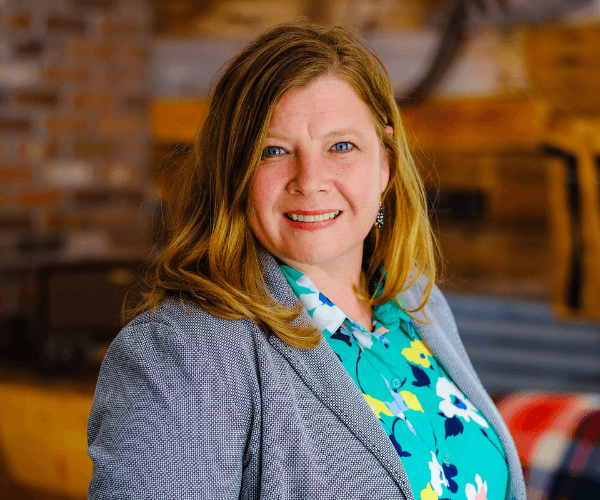
Marsha Erickson is West Central Initiative’s Early Childhood Specialist and a regional liaison for the Early Childhood Initiative (ECI). Marsha makes connections among individuals, communities, agencies, and resources for children.