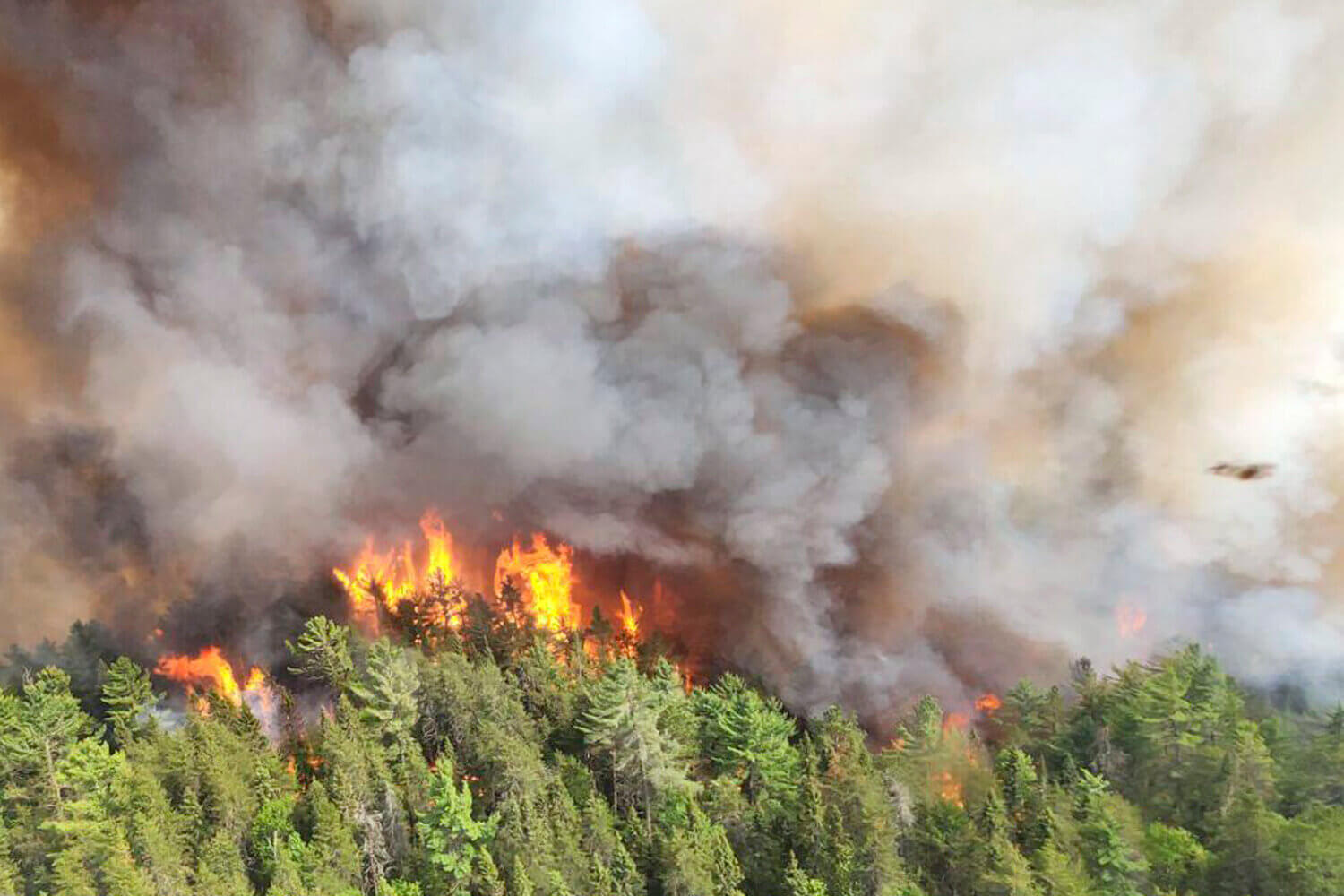
Our region is experiencing severe air quality conditions and smoke-covered skies this summer due to wildfires in the north. The Canadian wildfires left the country with widespread destruction and thousands without homes. The fires started in late April of this year and continue to impact the people of our region.
Canada is experiencing the worst wildfire season on record this summer, with over 27 million acres burned and over 150,000 people forced to evacuate their homes. The flames burned from coast to coast, with smoke drifting across the country and into the United States.
What is behind these wildfires?
Environmental experts linked the extreme wildfire season in Canada to rising temperatures and droughts driven by climate change. According to Robert Scheller, a professor of forestry and environmental resources at North Carolina State College, “It was unusually hot and dry in Canada during the spring, allowing the fuels that drive wildfires to dry faster and earlier than ever.”
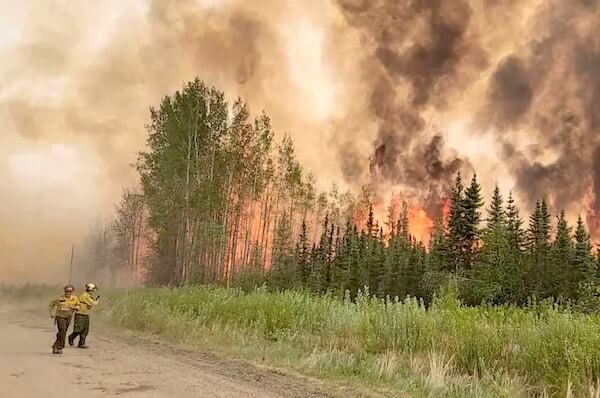
The scale of the wildfires is worse due to the overgrowth of natural vegetation in the Canadian forests. When wildfires are suppressed over time, the buildup of undergrowth fails to be cleared by smaller and naturally occurring fires.
The resulting smoke has impacted the air quality for millions of Americans and the people in our region. Over 600 metric tons of carbon dioxide have been released into the atmosphere since May. The release of carbon dioxide and other greenhouse gases alters surface temperatures and rain patterns, which contributes to climate change and leads to more wildfires.
More carbon in the atmosphere can potentially make wildfires worse across the globe. The growing impact of wildfires and burning acreage can serve as a warning of our future under climate change.
How is our region impacted?
With the smoke drifting across the northern United States, Minnesota was greatly impacted. The air in our region set records, but not in a good way. As of August 7, Minnesota Pollution Control Agency issued 41 air quality alerts. This exceeds the average of 2 to 3 air quality alerts in the summer season.
During this time, outdoor events and activities across our region became unsafe. Music and movies in the park, outdoor sporting activities, public beach outings, and other summer activities were halted. The hazy skies and poor air quality certainly made it harder to enjoy the long-awaited Minnesota summer.
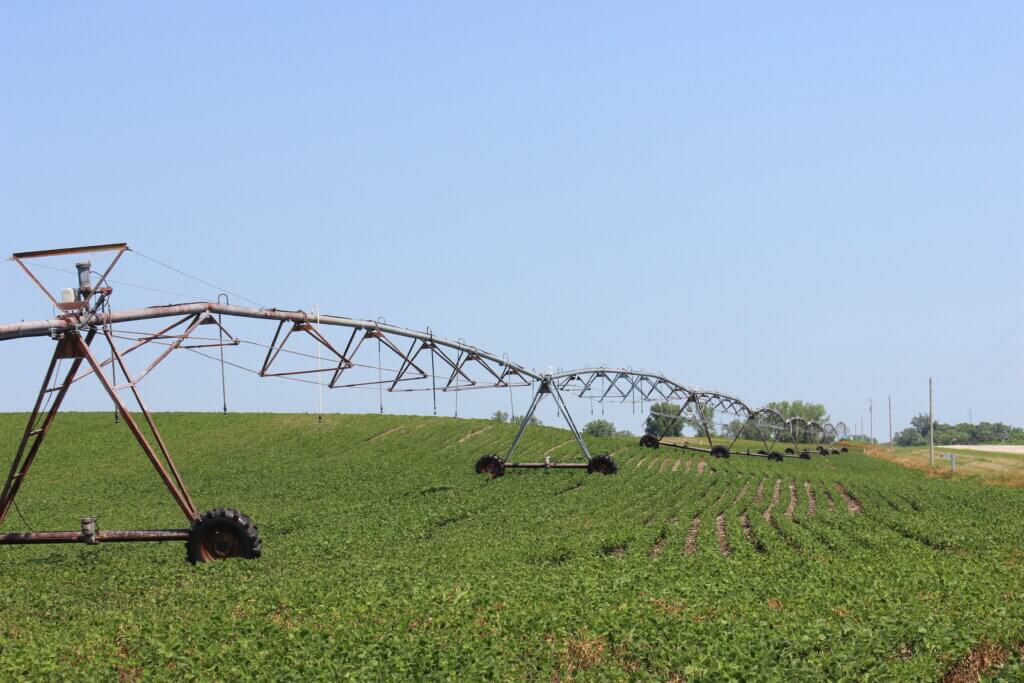
Our region’s “unhealthy” air quality rating may have impacted our fun summer plans, but Minnesota farmers are seeing the effects. The air quality is certainly hazardous for farmers. The farmers in our region are susceptible to long-term health effects from hours spent outside during periods of hazardous air quality. Farmers are considered to have increased exposure due to long hours working outdoors and performing manual labor.
The Minnesota Pollution Control Agency says that wildfire smoke leads to fine particle pollution. This pollution can cause coughing, shortness of breath, chest tightness, dizziness, or fatigue. Particles that enter the lungs or bloodstream can cause illnesses like bronchitis and worsen existing heart or lung diseases.
So, is the smoke hurting crops?
Farm communities are also considering how the air quality might impact crop yields over time. The changing climate can impact crop development and growing time, which may lead to changes in future food prices and supply.
It’s time to consider how worsening climate conditions impact our region and the people who live here. Our communities may anticipate a “new normal” that this harsh wildfire season has created.
About the Author

Greta Hentges is our summer Communications Intern. Her focus is on social media, content creation, and graphic design. Greta is a University of North Dakota student majoring in Marketing and minoring in Graphic Design and Leadership.