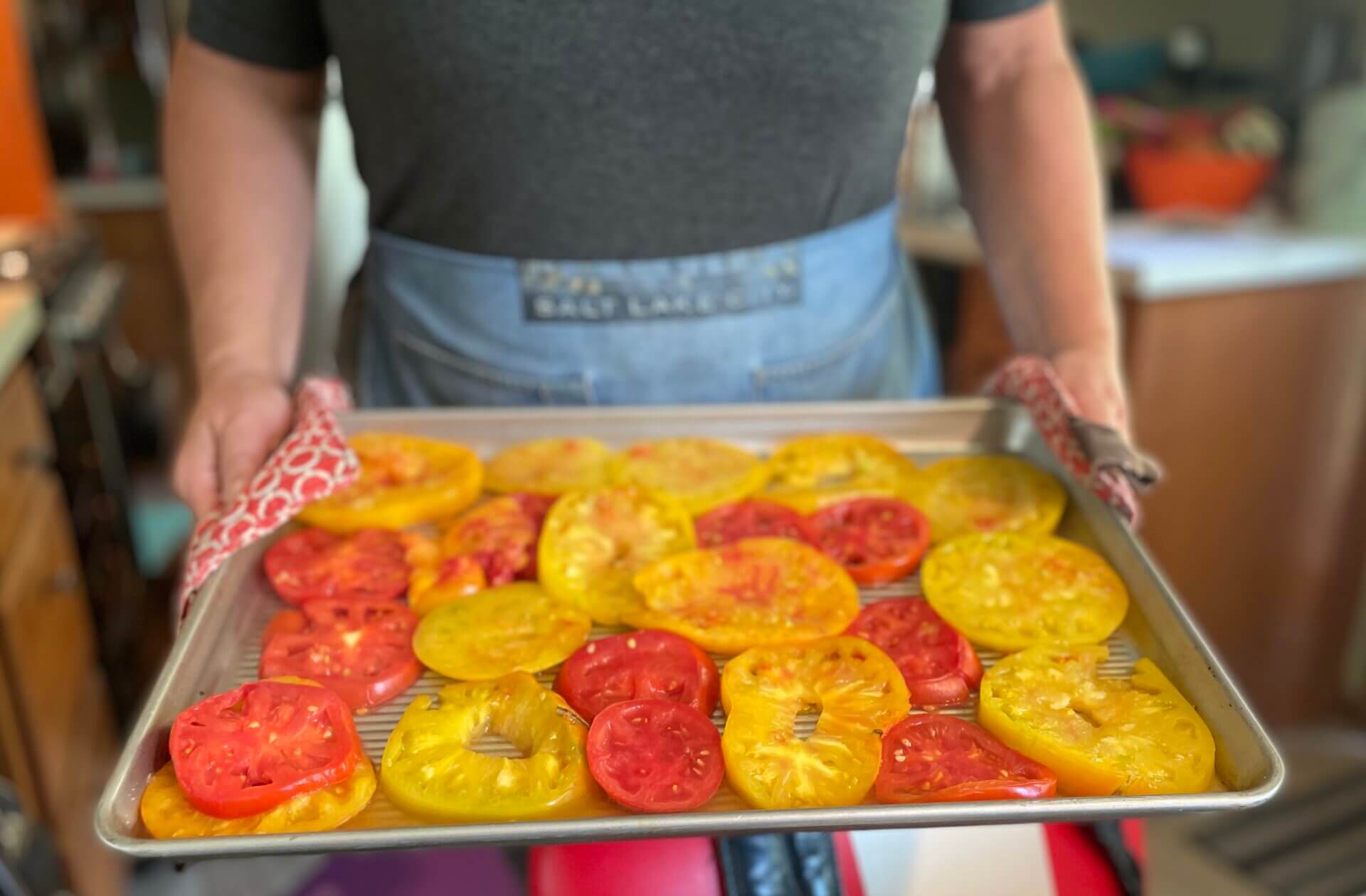
First frost is due any week now with nighttime temperatures beginning to dip below the 50s, and most gardeners have been in the throes of harvest. Tomatoes of all colors and dispositions, snacking cucumbers short and stout, sweet corn and beets, peas, and peppers fresh off the vine have been filling farmers market stalls this last month. But, for the home gardener with no stall to fill, the summer’s bounty has three potential life-paths, the last one, food preservation, being an important way we can feed ourselves sustainably throughout the winter.
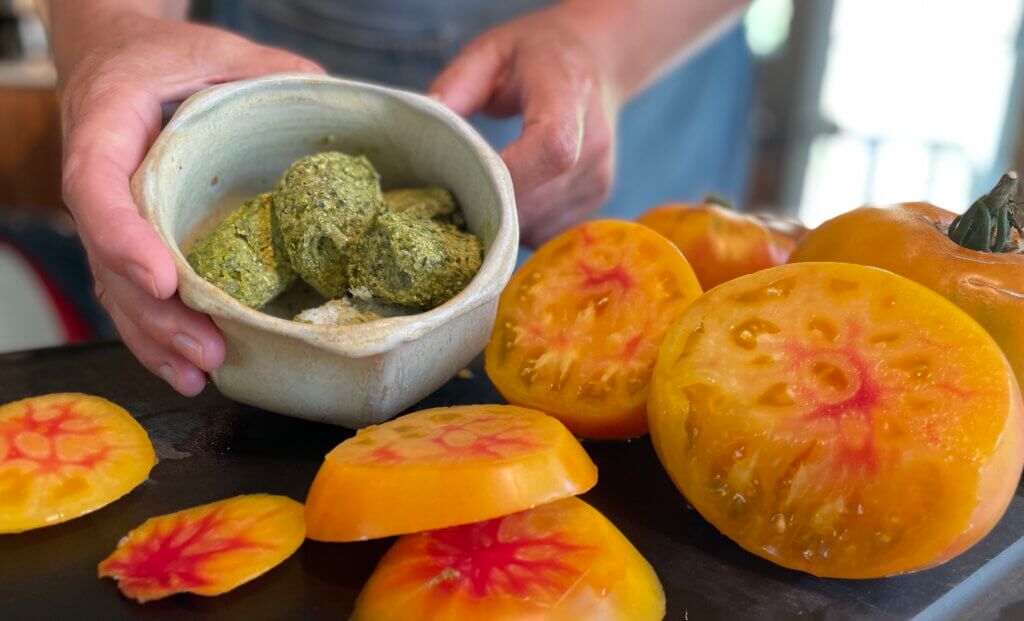
First, any fresh produce harvested may go straight from garden to gut – the preferred method. This is the freshest, most anticipated, and most nutritious bite of the season – what all gardeners wait for. Months have passed soaking up the fugacious summer sun. Patience and discipline have been honed from hours of weeding and watering and weeding and weeding some more. Pests have been dealt with, deer unsmarted, and so the time has finally come to enjoy the fruits of your labor.
The second life path your produce might take is to be shared or swapped with family, friends, neighbors, or, more likely, all three. As you may know, it can be nearly impossible to find the time to process all of the beautiful things you’ve grown, so sharing with others is the perfect way to ensure that everything gets eaten or preserved by someone. Another important thing you can do with any extra produce is donate it to your local food shelf, as they always have a tough time sourcing fresh fruit, veggies, and legumes.
The third path possible promises the longest shelf-life – food preservation. You can preserve in so many different and delectable ways, from the basics, blanching and freezing, a great option if you’ve got large freezer chests, to canning, drying, pickling, fermenting, or any other number of creative options. Suzanne Driessen, the University of Minnesota’s Extension food safety educator, led seven webinars about the various ways to preserve produce, and all of them are available online.

The Climate Impact of Food Preservation
Why is food preservation so exciting to a climate nerd? Because it allows us to enjoy the tastes of summer all winterlong, without relying on national and international supply chains that burn millions of gallons of fuel to ship fresh produce to us in west central Minnesota. What I’m talking about are food miles – how many miles did this bunch of asparagus travel to reach me – and food sovereignty – not being dependent on anyone or any system to feed ourselves. What I’m also talking about is eating seasonally and relying more on preserved foods when the fresh version isn’t available locally. Local foods, consumed soon after getting them, can be up to 50% more nutritionally dense than foods that have been sitting for a while during shipping.
Taking the time to preserve or learn to preserve your own or locally sourced produce is one important step you can take to become personally more resilient against a changing climate. Further, by buying less foods that have flown or been trucked a long way to reach us, we are not only decreasing our own carbon footprint but also using our dollars as votes for the kind of a food system we want to have. Is it going to be one that values tomatoes from Ottertail or asparagus from Argentina? We saw during COVID how fragile supply chains are, so why not plan for contingencies and be armed with the knowledge of how to keep fed yearlong?
Photo credit: Jill Amundson, Innovation Strategist at West Central Initiative
About the Author

Benjamin Velani is the Lead for America Climate Fellow and serving AmeriCorps member at West Central Initiative. He recently graduated Summa Cum Laude from Cornell University, majoring in Religious Studies and Government and writing an undergraduate thesis on the human and ecological effects of light pollution and dark night skies. He was formerly the Dining Editor at The Cornell Daily Sun, and he’s now taking the lead on West Central Initiative’s Climate Action Newsletter.
We want to hear from you!
Please take our Climate Action Survey and subscribe to our newsletters.